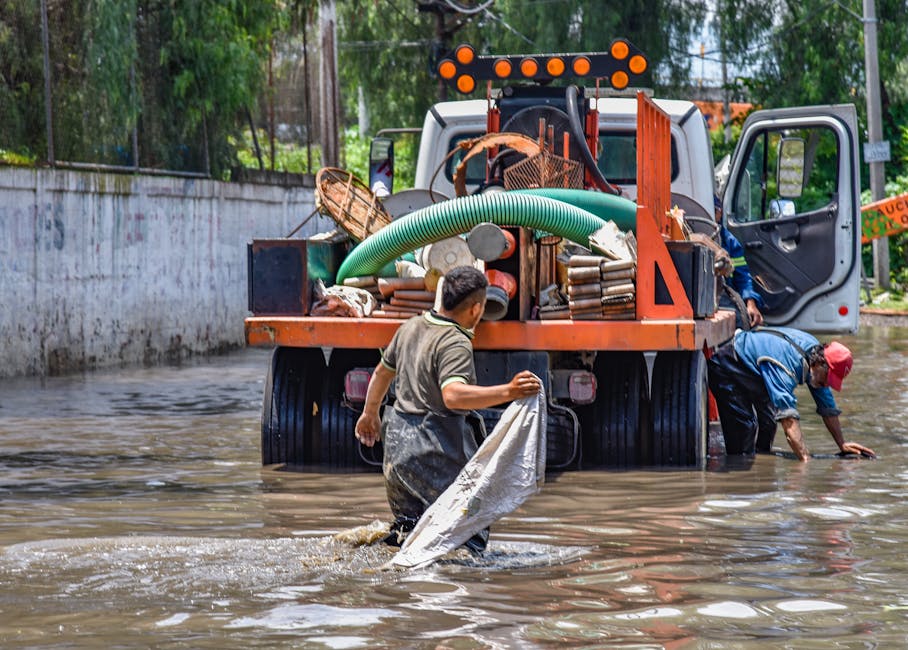
Emergency flood cleaning Stoke Newington avoid hidden fees: what to expect, what to check, and how to stay in control
When water gets into a home or business, everything becomes urgent very quickly. The floor feels soggy, the air turns damp and heavy, and the first worry is not just damage - it is cost. If you are looking for emergency flood cleaning in Stoke Newington and want to avoid hidden fees, the smartest move is to understand what should be included before anyone starts work. That way, you can act fast without getting caught out later. This guide breaks down the process in plain English, from first call to final dry-down, with a focus on clear pricing, sensible expectations, and the questions that separate a trustworthy service from a messy surprise.
Truth be told, flood cleanup is not something most people plan for. But when it happens, a little clarity goes a long way. You will find practical steps, warning signs, a comparison of common service approaches, and a checklist you can use straight away. If you are also comparing providers, it can help to look at the company's pricing and quotes information and its terms and conditions before agreeing to anything.
Table of Contents
- Why this matters
- How the service works
- Key benefits and practical advantages
- Who needs this and when it makes sense
- Step-by-step guidance
- Expert tips for better results
- Common mistakes to avoid
- Tools, resources and recommendations
- Law, compliance and best practice
- Options and comparison
- Case study example
- Practical checklist
- Conclusion
- Frequently asked questions
Why Emergency flood cleaning Stoke Newington avoid hidden fees Matters
Flooding is never just about water. It can affect carpets, underlay, skirting boards, furniture, electrics, and even the air quality in a room. In a busy part of North London like Stoke Newington, delays can make the problem spread fast. Water migrates under furniture, seeps into fibres, and can leave a musty smell that is annoyingly hard to shift. If the cause is a burst pipe, a washing machine leak, a roof issue, or even a neighbour-related problem, the clock starts ticking immediately.
Hidden fees become a real issue because emergency work often happens under pressure. People are worried, tired, and just want the water gone. That is exactly when vague quotes, undefined call-out charges, and unclear drying fees can creep in. A proper provider should explain what is included, what is extra, and what may change after inspection. Not every property is the same, of course, but a fair quote should still feel understandable. If it does not, ask more questions.
There is another reason this matters. Floodwater can turn into a hygiene concern very quickly, especially if the source is contaminated. A responsible company should be able to explain the difference between clean water, grey water, and more serious contamination in simple language. They should also be clear about any safety limits. If a team sounds casual about that, I'd be cautious. Very cautious.
Key takeaway: the cheapest emergency quote is not always the best value. Clear scope, documented costs, and realistic drying advice are what help you avoid hidden fees and avoidable damage.
How Emergency flood cleaning Stoke Newington avoid hidden fees Works
Emergency flood cleaning usually follows a fairly structured process, even if the arrival feels chaotic. A good service should first assess the source and extent of the water, then remove standing water, protect salvageable items, and begin drying the affected space. Depending on the situation, this may also include carpet cleaning, stain treatment, deodorising, and targeted drying around edges and furniture legs.
Here is how it typically works in practice:
- Initial contact and questions. You explain what happened, where the water is, how long it has been there, and whether electricity or contamination is involved.
- Clear scope confirmation. The cleaner should state what the emergency visit includes. For example, water extraction, inspection, movement of light furniture, or setting drying equipment.
- On-site assessment. A technician checks the moisture spread, flooring type, and any risk to carpets, rugs, upholstery, or walls.
- Extraction and stabilisation. Standing water is removed, surfaces are treated, and the area is made safer.
- Drying and follow-up. Drying may continue with natural ventilation, machines, or further visits, depending on the severity.
The hidden-fee problem usually appears when one of those steps is not defined up front. For example, a quoted emergency rate may cover extraction only, while drying equipment, return visits, or stain treatment are added later. That is not automatically unfair, but it should be stated clearly. Ask for the full picture before the first machine is switched on. It saves a lot of awkwardness later, and nobody wants that at 10:30 on a rainy Tuesday.
If the flood has affected soft furnishings too, the right service may also advise on upholstery cleaning or sofa cleaning after the main water removal has been completed. That is often where lingering odour or tide marks show up.
Key Benefits and Practical Advantages
Speed matters in flood recovery, but speed alone is not enough. The best emergency cleaning service should save time, reduce stress, and keep the financial side predictable. There are some very practical benefits when the job is handled properly from the start.
- Lower risk of secondary damage. Fast extraction reduces the chance of staining, warping, mould growth, and odour.
- Better cost control. A clearly explained quote helps you understand what you are paying for before the work begins.
- Less disruption. You can usually get back to normal life sooner if the plan is simple and the drying stage is managed well.
- Protection for flooring and furnishings. Carpets, rugs, and upholstered items may be saved if treated early enough.
- Cleaner handover. A reliable provider will tell you what is still needed after the emergency stage, rather than leaving you guessing.
Another benefit is peace of mind. That sounds soft, but it matters. When you know the process and the price structure, you are less likely to panic-buy a service or agree to something you do not fully understand. For many customers, that alone is worth a lot.
Where suitable, a cleaner may suggest follow-on work like carpet cleaning or rug cleaning once the area is dry. Flood water can leave marks that are not obvious at first, then show up later. Bit annoying, but common.
Who This Is For and When It Makes Sense
This kind of emergency cleaning is for anyone dealing with water where it should not be. That includes homeowners, tenants, landlords, letting agents, shops, offices, and ground-floor businesses. In Stoke Newington, the need can range from a small appliance leak in a flat to a sudden ingress after heavy rain. The right response is different in each case, but the urgency is similar.
It makes sense to call an emergency cleaning provider when:
- water is pooling on carpet, laminate, vinyl, or timber
- the room smells damp or earthy after a leak
- an upholstered item has been soaked
- you need a fast clean-up before damage spreads
- you want a quote that is honest and specific, not hand-wavy
It is also relevant if you are comparing providers after a flood and wondering who can be trusted. A decent company should be able to explain its approach to safety, insurance, and payment without making you feel like you are decoding a puzzle. If you want to understand how a business handles risk and responsibility, its insurance and safety information and health and safety policy are worth reading.
Landlords and property managers often need emergency cleaning for one extra reason: speed of documentation. You may need to show that the issue was handled responsibly, especially if there is a wider maintenance problem. In those cases, clear notes and a transparent invoice matter more than usual. Not glamorous, but important.
Step-by-Step Guidance
If you have a flood on your hands, the best thing you can do is slow your thinking down even if the room is in chaos. Here is a practical sequence that keeps the situation manageable and reduces the chance of hidden charges.
- Make the area safe. If there is any electrical risk, do not step into standing water. If in doubt, keep out and wait for proper guidance.
- Identify the water source. A leak from clean water is very different from wastewater or contaminated flooding. Tell the provider exactly what you know.
- Photograph the damage. Take quick pictures before anything is moved. It helps with records and any insurance conversation later.
- Ask what the emergency call covers. Does it include extraction, inspection, drying setup, disposal, furniture handling, or a return visit?
- Request a written price breakdown. Even a simple message is better than a vague verbal promise.
- Clarify extra charges before work starts. If there are fees for out-of-hours attendance, heavy lifting, additional rooms, or specialist drying, ask now.
- Approve the plan. Only go ahead when the scope and price make sense to you.
- Check the follow-up schedule. Know whether the team will return, how long drying may take, and what signs to watch for.
If the affected area includes stained carpet rather than pure water damage, a specialist may also recommend stain removal or even steam carpet cleaning once the fibre condition is stable. That should be done carefully; rushing straight to aggressive cleaning can sometimes make things worse.
A tiny real-world note: the job often gets easier the moment the customer asks, "What exactly is included in the price?" It sounds simple, but it cuts through a lot of nonsense.
Expert Tips for Better Results
Flood cleaning is one of those jobs where small decisions have big consequences. A few sensible habits can make the outcome cleaner, safer, and less expensive.
- Act early, but do not panic-book. Quick response matters, yet a rushed yes to unclear pricing can cost more than a short delay to compare options.
- Ask for inclusive wording. Phrases like "all labour included" or "drying equipment included for the agreed period" are useful, provided they are genuine.
- Be specific about the room and flooring. Carpet, underlay, wood, and laminate all behave differently after water exposure.
- Check whether contents are included. A flood in one room can affect items nearby, and moving them may or may not be part of the service.
- Think about odour, not just visible water. Moisture trapped in fibres can smell long after the surface looks fine.
- Keep ventilation sensible. Open windows if appropriate, but don't make assumptions if outside humidity is high or it is still raining hard.
If you are dealing with a soft furnishing that has soaked up water, you may need a different approach entirely. For example, mattress cleaning or curtain cleaning may be recommended only after moisture levels are safe. I know, it sounds fussy. It is. But flood damage is one of those areas where fussy is often better.
One more thing: ask whether the provider follows a documented process for quotes and payments. Clear payment handling is often a good sign that the rest of the operation is equally organised. If you want an extra layer of reassurance, the company's payment and security page should tell you what to expect.
Common Mistakes to Avoid
Most hidden fees problems begin with assumptions. People assume "emergency" means everything is bundled. Or they assume the first quote is final. Let's face it, flood stress makes everybody a little bit less sharp than usual.
- Accepting a price without asking what it includes. Always get the scope in plain language.
- Ignoring return-visit charges. Drying often takes more than one visit, so ask how follow-up is billed.
- Skipping the contamination question. It changes the cleaning method and sometimes the cost.
- Forgetting about underlay or hidden moisture. Surface water can disappear while deeper damp remains.
- Choosing purely on headline price. A low number that grows later is not a bargain.
- Not checking the complaints route. If something goes wrong, you want a clear process, not a dead end.
Some people also make the mistake of trying to dry everything too aggressively with heaters alone. That can create uneven drying and leave damp pockets behind. A calm, methodical approach is usually better. Not dramatic. Just sensible.
Tools, Resources and Recommendations
You do not need a warehouse of equipment to handle a flood responsibly, but a few practical tools can help in the first hour. A good provider will already bring extraction equipment, moisture awareness, and the right cleaning materials. For the customer, the job is mostly about record-keeping and making access easier.
Useful things to have ready include:
- old towels or absorbent cloths for immediate surface water
- a camera phone for photos
- access details for the property if you are not onsite
- a short list of affected rooms and items
- any information about the cause of the leak
If the flood has affected a business, it can also help to review commercial cleaning needs once the emergency phase is over. In some cases, commercial carpet cleaning is the next logical step, especially where footfall or visible staining has increased after the incident.
From a business perspective, many customers also like to understand the company background before inviting people into their property during a stressful time. A short look at the about us page can provide useful reassurance, especially if you value a local, established feel rather than a faceless service. That human side matters more than people admit.
Law, Compliance, Standards, or Best Practice
Flood cleaning touches on safety, tenancy, insurance, and property care, so it is wise to treat it carefully. While the exact legal position depends on the source of the flood and who owns or occupies the property, a few broad best-practice points are widely sensible in the UK context.
First, any company working in a wet environment should be able to speak confidently about health and safety, safe access, and the handling of potentially contaminated water. That does not mean legal jargon. It means clear practical steps. Second, if you are a tenant or landlord, you should document the damage and report issues promptly. Third, if insurance is involved, keep records of what was damaged, when the incident happened, and what work was agreed.
It is also reasonable to ask whether a company has a complaints process and clear terms. Those pages are not there for decoration. They show that the business has thought about customer issues in advance, which is usually a good sign. For that reason, reviewing the complaints procedure and privacy policy can be worthwhile before you share personal or property details.
There is no need to overcomplicate it. In practice, compliance for the customer often means three things: keep evidence, ask for clarity, and do not let anyone pressure you into a vague agreement. That is a decent standard to live by, flood or no flood.
Options, Methods, or Comparison Table
Not every flood response needs the same level of intervention. The right method depends on water type, depth, material, and timing. Here is a simple comparison that helps make the decision less fuzzy.
| Method | Best for | Strengths | Watch-outs |
|---|---|---|---|
| Basic water extraction | Small clean-water leaks and shallow pooling | Fast, direct, often the cheapest initial option | May not address deeper moisture or odour |
| Extraction plus drying | Carpets, underlay, and rooms with lingering damp | Better long-term outcome, reduces hidden moisture | Can involve equipment charges or return visits |
| Targeted cleaning and stain treatment | Visible marks after the floodwater is removed | Improves appearance and smell | Not always suitable until the material is dry |
| Follow-on upholstery or rug care | Soft furnishings hit by splash, soak, or wicking | Helps save items that might otherwise be written off | Different fabrics need different methods |
When comparing options, do not ask only "How much?" Ask "What happens after the first visit?" That question usually reveals whether hidden fees are likely. If the answer feels vague, keep digging. You are allowed to be picky here. Honestly, you should be.
Case Study or Real-World Example
Picture a small ground-floor flat in Stoke Newington after a pipe leak behind a washing machine. By the time the issue is noticed, water has spread across part of the hallway and into the living room carpet. The tenant is worried about the flooring, the smell, and whether the landlord will blame them. Fair enough.
A good emergency cleaner would first ask what happened, how long the leak had been active, and whether electricity was affected. On arrival, the team would inspect the visible water, lift edges where appropriate, and check for trapped moisture. The first quote should cover the agreed emergency attendance and basic extraction. If the carpet needs additional drying, the customer should be told that clearly, not told later in a way that feels like a surprise invoice in disguise.
In this sort of situation, the biggest difference is often communication. The property may still need follow-on work once everything is dry. A clear provider explains that early, gives a sensible range, and avoids promising a miracle. The result is usually better, and the customer feels respected rather than cornered.
We have seen this pattern enough times to say it plainly: honest scope beats flashy promises. Every time.
Practical Checklist
Use this checklist before you agree to any emergency flood cleaning job.
- Confirm the water source if known.
- Check whether the area is safe to enter.
- Take photos before cleaning starts.
- Ask what the emergency visit includes.
- Request a written breakdown of fees.
- Ask about call-out, drying, and return-visit charges.
- Check whether stain treatment is extra.
- Find out how long drying may take.
- Confirm whether furniture movement is included.
- Review payment terms before work begins.
- Keep the invoice and any notes for future reference.
- Ask for guidance if you suspect hidden damp remains.
If you want a cleaner way to make decisions after a stressful incident, this checklist is a good place to start. Simple, yes. But simple is often what works when your head is full of noise and wet carpet.
For readers who want a deeper look at how a company treats customers and service quality, the recycling and sustainability page may also show how the business thinks about responsible operations more broadly. Not the first thing on your mind during a flood, maybe, but still useful when choosing a provider you can live with.
Conclusion
Emergency flood cleaning in Stoke Newington is about more than getting water off the floor. It is about protecting the property, preventing further damage, and keeping the price transparent enough that you can make calm decisions under pressure. If you focus on scope, documentation, and clear wording from the beginning, you will be much better placed to avoid hidden fees.
Look for a provider that explains what is included, what may cost extra, and what happens next. That one habit can save you a lot of stress. And if the company seems organised, responsive, and willing to answer simple questions without fuss, that is usually a very good sign.
Get a free quote today and see how much you can save.
Before you book, it can also be sensible to review the provider's contact details and accessibility statement so you know the service is easy to use and properly set up for real customers. Small things, but they say a lot. When water has already made a mess of your day, a little clarity is a relief.
Frequently Asked Questions
What should emergency flood cleaning in Stoke Newington include?
It should usually include an initial assessment, water extraction, basic stabilisation of the area, and clear advice about drying or follow-up work. Anything beyond that should be explained before the job starts.
How do I avoid hidden fees when booking flood cleaning?
Ask for a written breakdown of what is included, whether call-out charges apply, and whether drying, return visits, or extra rooms cost more. If the quote feels vague, get clarification before approving the work.
Is the cheapest quote always the best option?
No. A very low headline price can leave out essentials like drying equipment or follow-up visits. The better value is usually the quote that clearly explains the full service.
How quickly should I call after a flood?
As soon as the area is safe. The longer moisture sits in carpets, underlay, or furniture, the greater the risk of staining, odour, and structural damage.
Can emergency flood cleaning save a soaked carpet?
Sometimes, yes. If the water is treated quickly and the carpet is suitable for drying, it may be recoverable. The condition of the underlay and how long the area has been wet matter a great deal.
What if the floodwater smells bad or looks dirty?
That may suggest contamination, and the cleaning method can change as a result. Make sure you describe the water clearly when you call, because not all floodwater is treated the same way.
Do I need to move furniture before the cleaner arrives?
Only if it is safe and practical to do so. In many cases, light items can be moved, but heavy furniture should be left until the technician advises. Trying to shift big pieces in a hurry can cause more trouble than it solves.
Will my insurance affect the flood cleaning process?
Possibly. Keep photos, notes, and invoices so you have a clear record. If insurance is involved, documentation helps, even if you are still deciding how to proceed.
How do I know if a provider is trustworthy?
Look for clear pricing, straightforward answers, a sensible complaints process, and proper safety information. A trustworthy provider does not dodge basic questions about what is included.
Can flood cleaning also remove stains and odours?
Often it can, but not always in the first visit. Once the area is dry enough, stain removal or deodorising may be recommended to deal with marks or lingering smells.
What should I check before paying the final invoice?
Make sure the work carried out matches the agreed scope. Check for any extra charges and ask what each one is for. If something looks unfamiliar, request a plain explanation before paying.
Is flood cleaning different for commercial premises?
Yes, it can be. Commercial spaces may need faster turnaround, more documentation, and different treatment depending on flooring, usage, and footfall. In those cases, clear communication matters even more than usual.