Clissold Park Picnic Stain Cleaning Tips for Stoke Newington
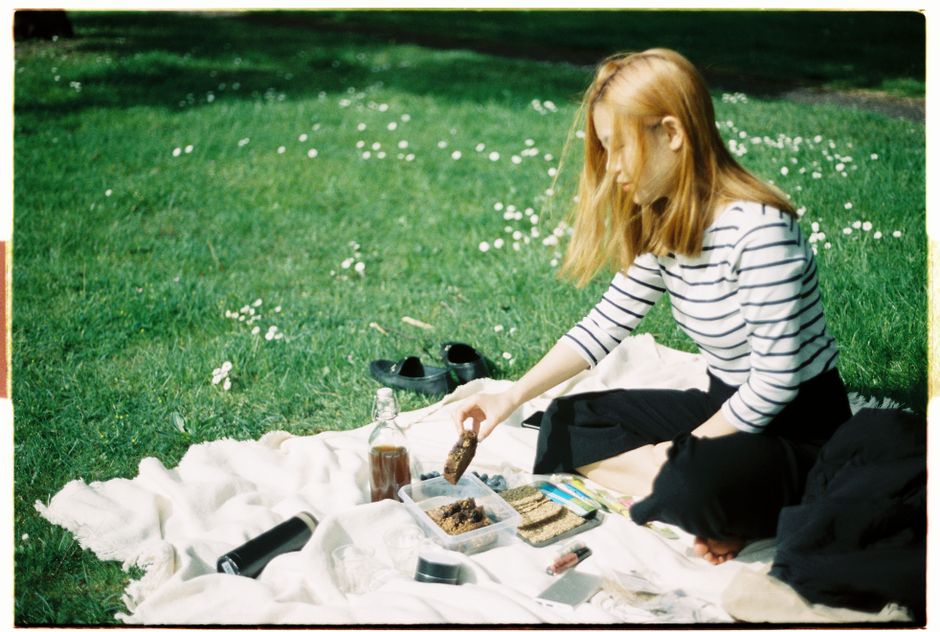
Picnics in Clissold Park are one of those simple Stoke Newington pleasures: a blanket on the grass, a paper cup of tea, a bit of hummus, maybe a sneaky slice of cake that somehow ends up on your shirt. Lovely. Until something spills. The good news is that most picnic stains are easier to deal with if you act quickly and use the right method. This guide to Clissold Park picnic stain cleaning tips for Stoke Newington walks you through what to do for grass, food, drink, mud and the odd greasy mark, whether the stain lands on clothing, a rug, a sofa cushion or the car seat on the way home.
If you have ever got back from the park thinking, "that'll come out later," you are not alone. Later has a nasty habit of making stains set. So let's make the first few minutes count.
Table of Contents
- Why Clissold Park picnic stain cleaning tips for Stoke Newington Matters
- How Clissold Park picnic stain cleaning tips for Stoke Newington Works
- Key Benefits and Practical Advantages
- Who This Is For and When It Makes Sense
- Step-by-Step Guidance
- Expert Tips for Better Results
- Common Mistakes to Avoid
- Tools, Resources and Recommendations
- Law, Compliance, Standards, or Best Practice
- Options, Methods, or Comparison Table
- Case Study or Real-World Example
- Practical Checklist
- Conclusion
- Frequently Asked Questions
Why Clissold Park picnic stain cleaning tips for Stoke Newington Matters
Picnic stains are a bit different from everyday household spills. They tend to be a mix of grass, soil, sticky drinks, sauces, sunscreen, crumbs and sometimes pet-related marks if the dog got involved too. That mix matters because each stain behaves differently. A tomato-based stain does not respond the same way as a muddy shoe print, and a greasy pastry mark is a different beast again.
In Stoke Newington, people often head out for relaxed weekends, birthday picnics, post-school snacks, or a quick lunch in the park on a mild afternoon. That means the mess often travels home with you. On a white T-shirt it is annoying. On a favourite rug or fabric sofa, it can be a proper nuisance. And on upholstery, if you scrub too hard, you can spread the stain or damage the fibres. Not ideal.
There is also a hygiene angle. Wet food residue left on fabric can smell, attract more dirt and become harder to remove after a few hours. To be fair, the stain itself is only half the story; the odour and residue can linger long after the picnic basket is packed away.
If you want a more general approach to stubborn marks, the site's stain removal guidance is a useful companion read, especially when a picnic spill turns into a deeper fibre-cleaning problem.
How Clissold Park picnic stain cleaning tips for Stoke Newington Works
The basic logic is simple: identify the stain, remove excess material gently, treat it with the safest suitable method, and avoid heat until you are sure the mark is out. That sounds straightforward, but in practice timing is everything.
Here is the short version. Dry debris first. Blot liquids. Lift solids with a spoon or a card. Then use the mildest cleaning action that will still work. If you go in too aggressively, you can push the stain deeper into the fibres. If you use hot water too soon, some stains, especially protein-based or sugary ones, can set. Not what you want on a sunny Saturday after a nice picnic with a slightly over-ambitious berry tart.
On soft furnishings, the fibre type also matters. Wool rugs, synthetic carpets, cotton clothes and upholstered chairs all react differently. That is why a careful, layered method usually outperforms a "just scrub it" approach every time.
For fabric-heavy items, it can help to think in terms of surface cleaning first, then deeper cleaning if needed. If the stain reaches a sofa arm, cushion or rug pile, targeted services such as sofa cleaning, rug cleaning or upholstery cleaning may be the sensible next step.
Key Benefits and Practical Advantages
Good stain handling is not just about appearance. Done well, it protects fabric, saves time and reduces the odds of having to replace something that was still perfectly usable. A few minutes of care after a picnic can save a lot of hassle later.
- Better stain lift: Early treatment usually removes far more residue than delayed cleaning.
- Less fibre damage: Gentle blotting and the right cleaning product are kinder to clothing and furnishings than hard scrubbing.
- Lower odour risk: Food and drink residue can sour if left sitting in warm fabric.
- More confidence outdoors: You can enjoy Clissold Park without worrying quite so much about every tiny spill.
- Longer life for soft furnishings: Careful spot cleaning helps protect rugs, sofas and car interiors.
There is also a practical benefit that people sometimes overlook: once you know the basics, you stop panicking. That counts for a lot. The difference between "oh no" and "right, I know what to do" is often just a clean cloth and a minute of calm.
Expert summary: The best picnic stain removal approach is usually the least dramatic one. Blot first, test a mild cleaner, avoid heat, and stop once the stain is no longer lifting. If a mark is large, oily or already set, step up carefully rather than escalating fast.
Who This Is For and When It Makes Sense
This guide is for anyone who leaves Clissold Park with a bit more than memories. That includes families with young children, dog walkers, couples, flat-share groups, students, local workers on lunch breaks and anyone who spreads out on the grass with a packed lunch and optimistic intentions.
It also makes sense if the stain has landed somewhere less obvious: the back seat of the car, a picnic blanket that now smells faintly of strawberry juice, a hallway runner, or a sofa cushion brought into service for post-picnic lounging. Life is messy. Happens.
If the stain is on a carpet or rug rather than clothing, the cleaning approach may need more care because pile height, backing material and dye stability can all affect the result. In those cases, a deeper clean such as carpet cleaning or even steam carpet cleaning may be the better route.
This is also useful for landlords, hosts and small businesses in Stoke Newington that occasionally host outdoor gatherings or events. One stain is one thing; repeated staining in shared spaces is another. For larger or recurring needs, see commercial carpet cleaning.
Step-by-Step Guidance
Below is a practical method you can use for most picnic stains. It is deliberately simple, because when you are carrying a bag, a blanket and a half-finished sandwich, you do not need a chemistry lecture.
1. Remove loose debris first
Shake off crumbs, grass, leaves and soil. If the stain is on clothing or fabric, use the edge of a spoon, a blunt knife or a card to lift away anything solid. Do not rub at this stage. That just grinds particles in deeper, which is exactly the opposite of helpful.
2. Blot liquids immediately
Use a clean white cloth, kitchen towel or absorbent paper to blot from the outside of the stain inward. Press gently. Repeat with dry sections of cloth until no more liquid transfers. If the spill is still fresh, this step alone can remove a surprising amount.
3. Identify the stain type
Ask yourself what caused it. Food sauces, red drinks, fruit juice, mud, ice cream and greasy picnic foods all need slightly different treatment. A greasy mark usually needs a little more help than a watery one. Grass stains often respond better to a targeted stain remover than plain water alone.
4. Test a mild cleaning solution
On washable fabrics, use a small amount of mild detergent diluted with cool water, or a gentle stain treatment suitable for the material. Always test on a hidden patch first. That small pause can save a lot of regret, especially on coloured fabrics or delicate upholstery.
5. Work from the outside edge inward
Apply the cleaner carefully with a cloth or soft sponge. Dab, do not scrub. Move from the edge toward the centre so the stain does not spread outward. You want a neat little repair job, not a wider halo. Those halos are annoying.
6. Rinse lightly and blot dry
Use a separate damp cloth with clean water to remove product residue, then blot dry. Leaving cleaner behind can attract more dirt later. If you are working on a cushion or upholstery, use as little water as possible so the filling does not stay damp for ages.
7. Air dry fully
Let the item dry naturally in a well-ventilated place. Avoid heat unless you are certain the stain has gone. Heat can make some marks, especially sugar, protein and some drink stains, much harder to remove.
8. Repeat if needed, but stop if the fabric looks unhappy
If the stain is fading but not disappearing, repeat the mild treatment once more. If the fibre starts looking rough, discoloured or fuzzy, stop and consider professional help. There is no prize for overworking a fabric.
| Stain type | Best first response | What to avoid | Often needs extra help from |
|---|---|---|---|
| Grass | Cool water, gentle stain treatment, blotting | Hot water and hard scrubbing | Targeted stain removal |
| Fruit juice or squash | Blot fast, then a mild detergent solution | Leaving it to dry in place | Carpet cleaning |
| Greasy food | Absorb excess, use a suitable degreasing cleaner | Rubbing with heat | Sofa cleaning |
| Mud | Let dry, then brush off before cleaning | Wiping wet mud straight away | Rug cleaning |
| Ice cream or dairy | Lift solids, treat gently with cool water | Hot water too early | Upholstery cleaning |
Expert Tips for Better Results
Small habits make a big difference here. The best results usually come from calm, consistent steps rather than miracle products or frantic elbow grease.
- Use white cloths: Coloured cloths can transfer dye, especially onto light fabrics.
- Keep cool water handy: For many picnic stains, cool or lukewarm water is safer than hot.
- Work quickly, but not roughly: Fast action matters, though panic does not.
- Check the care label: If the item says dry clean only, treat it like a warning sign, not a suggestion.
- Ventilate the room: Fresh air helps drying and reduces lingering smells.
- Handle grass stains early: Once grass pigments settle into fibres, they become more stubborn.
A useful little trick for picnic blankets and soft bags is to carry a basic stain kit in the car or picnic basket. A travel pack of tissues, a clean cloth, a small bottle of water and a mild detergent wipe can be enough to stop a fresh mark becoming a permanent guest. And yes, it is a tiny bit organised. Slightly smug, even. But effective.
If the stain is on something you use every day, such as a favourite cushion or reading chair, consider whether a broader refresh is due anyway. A one-off picnic incident can expose grime that was already there. In that case, a proper steam carpet cleaning or upholstery treatment may make more sense than another round of spot cleaning.
Common Mistakes to Avoid
Most stain failures are not caused by bad luck. They happen because someone did the wrong thing with good intentions. Happens all the time.
- Rubbing instead of blotting: This pushes stains deeper and can rough up fibres.
- Using hot water too soon: Heat can set certain food and drink stains.
- Over-wetting fabric: Too much liquid spreads the mark and can damage upholstery padding.
- Skipping a test patch: A cleaner that works on one fabric can discolour another.
- Mixing products: Never combine cleaners unless the label clearly says it is safe.
- Ignoring odour: A stain that looks better can still smell unpleasant later.
- Waiting until the next day: Fresh stains are far easier than dried ones.
There is also the classic mistake of declaring victory too early. The visible mark fades, then it reappears once the item dries. If that happens, treat it again gently rather than cranking up the force. Stubborn, yes. Impossible, usually not.
Tools, Resources and Recommendations
You do not need a huge kit to manage most picnic spills. A few reliable basics are enough.
- Clean white microfibre cloths or lint-free towels
- Kitchen paper for initial blotting
- A soft brush for dried mud or crumbs
- Cool water in a small bottle or spray
- Mild liquid detergent
- A stain treatment suitable for the material
- Disposable gloves if you are dealing with messy or odorous stains
- A ventilated drying space
For fabrics that need a deeper reset, professional cleaning can save time and reduce risk. If the stain is on curtains from a picnic gathering at home, curtain cleaning may be relevant. If it is on a mattress because the picnic ended in a not-so-successful indoor movie marathon with snacks, then mattress cleaning is the better route. That sounds oddly specific, but real life gets like that.
If you are not sure what to do next, it is often wise to ask for a quote before a stain gets worse. You can review pricing and quotes details, and if you want to understand service standards, the company's insurance and safety information is worth a look too.
Law, Compliance, Standards, or Best Practice
For picnic stain cleaning, there usually is no special legal requirement for a household to follow. Still, a few UK best-practice points are worth keeping in mind.
First, if you are cleaning items owned by someone else, such as in a rented property, a shared office or a holiday let, use reasonable care and follow any care instructions provided. Second, if you are using cleaning chemicals, read the label and keep products stored safely away from children and pets. Third, if an item is marked dry clean only, do not treat it like a challenge. It is there for a reason.
For businesses and landlords in Stoke Newington, basic health and safety practice matters. That includes safe handling of chemicals, ventilation during cleaning, and choosing methods that will not damage valuable furnishings. If you need reassurance about how work is approached, the website's health and safety policy and terms and conditions are useful starting points.
There is also a sustainability angle. Reusing cloths, avoiding unnecessary product use and choosing a cleaning approach that prevents replacement rather than encourages it are all sensible habits. If that matters to you, see the company's recycling and sustainability page for its wider approach.
Options, Methods, or Comparison Table
Different stains call for different approaches. Here is a simple comparison that may help you decide what to do first.
| Method | Best for | Strengths | Limitations |
|---|---|---|---|
| Blotting with cool water | Fresh drink spills and light food marks | Safe, quick, low risk | May not fully remove greasy or set stains |
| Mild detergent spot treatment | Most washable fabrics | Effective on many picnic stains | Needs a test patch and careful rinsing |
| Soft brushing after drying mud | Grass and soil on outdoor fabrics | Prevents spreading mud | Not suitable for delicate pile or wet dirt |
| Professional deep cleaning | Rugs, sofas, upholstery, stubborn marks | More thorough, less guesswork | Costs more than DIY and may require booking |
In practice, most people start with the simplest method and move up only if needed. That is usually the right order. No need to bring out the heavy artillery for a tiny squash splash on a picnic blanket. Save that for the stains that truly earn it.
Case Study or Real-World Example
Here is a realistic example from everyday life. A family spends a sunny afternoon in Clissold Park with sandwiches, berries and juice cartons. On the way back, a child's shirt picks up a patch of grass stain at the knee, the picnic blanket gets a few jam smears, and a car seat catches a drip of melted ice cream.
They deal with the shirt first by shaking off loose dirt and dabbing the grass mark with cool water. Then they use a mild detergent solution on the jam smear, blotting carefully from the edges. The car seat gets the gentlest treatment of all: a damp cloth, a small amount of cleaner and a dry towel pressed over the area to pull out moisture.
The result? The shirt mostly clears up, the blanket is saved, and the car seat does not end up with a water ring. Nothing magical. Just steady, sensible steps. The one thing they did not do was attack everything with the same harsh cleaner. That would have been a bit of a mess, frankly.
If the same sort of spill had landed on a treasured rug or fabric sofa instead of a shirt, the next step would likely be more specialist. In those situations, professional rug cleaning or sofa cleaning would offer a safer finish than repeated DIY attempts.
Practical Checklist
Use this quick checklist after any picnic mishap in or around Clissold Park.
- Remove loose crumbs, grass or soil
- Blot liquids immediately with a clean cloth
- Identify the stain type before applying cleaner
- Test any product on a hidden spot
- Use cool water unless care instructions say otherwise
- Work from the outside of the stain inward
- Avoid scrubbing hard
- Rinse gently if needed
- Let the item dry fully in fresh air
- Repeat only if the fabric still looks sound
- Stop and seek help if the stain is set, oily or on delicate fabric
Simple. Almost boring, really. But boring is nice when the alternative is a permanent stain.
Conclusion
Picnic stains are one of those everyday annoyances that feel bigger than they are in the moment. The trick is not to overreact. Act quickly, stay gentle, and match the method to the material. That approach will solve a surprising number of Clissold Park spill problems before they become long-term ones.
For Stoke Newington households, the best outcome is usually a mix of fast first aid and sensible follow-up. If the mark is light, a careful DIY clean may be enough. If it is stubborn, set in, greasy or on a valuable fabric, a professional clean is often the smarter and safer choice. Either way, you do not need to let one picnic ruin the mood. Not worth it.
Get a free quote today and see how much you can save.
Frequently Asked Questions
What is the best first step for a fresh picnic stain?
Blot it straight away with a clean, dry cloth or paper towel. For solids, lift off as much as you can before applying any moisture. Quick action is usually the difference between an easy fix and a stubborn mark.
Should I use hot water on picnic stains?
Usually not at first. Cool or lukewarm water is safer for many food, drink and grass stains. Hot water can set some stains, especially if they contain sugar or protein.
How do I clean grass stains from clothes after a day in Clissold Park?
Shake off any dirt, dab with cool water, then apply a mild detergent or suitable stain remover. Test first on a hidden area if the fabric is coloured or delicate. Let it dry and check before repeating.
Can I use the same method for a rug and a T-shirt?
Not always. Rugs, upholstery and clothing behave differently. A rug can usually tolerate a bit more controlled moisture than a delicate shirt, but you still need to be careful with pile, backing and dye stability.
What should I do if the stain smells after cleaning?
That usually means residue is still present or the item has not dried properly. Re-treat gently if the fabric allows it, and improve ventilation. If odour remains on upholstery or a rug, deeper cleaning may be needed.
Why did the stain come back after the item dried?
Sometimes cleaning loosens the visible mark, but residue from underneath moves back to the surface during drying. A second gentle treatment can help. Avoid over-wetting, though, because that can make the problem worse.
Are homemade cleaning solutions safe for picnic stains?
Some are, but they should be used carefully. Mild detergent diluted in water is often a sensible first choice. Avoid mixing different products, and always test on an unseen area before treating the stain fully.
When should I stop DIY cleaning and call a professional?
If the stain is large, old, greasy, on delicate fabric or on something valuable, professional help is often the safer option. The same goes for items you cannot easily replace, like a favourite sofa cushion or wool rug.
What if the picnic stain is on my sofa or car seat?
Use minimal moisture, blot rather than scrub, and be careful not to soak the filling. If the mark spreads or the fabric starts looking uneven, a specialist approach such as upholstery cleaning is usually better.
How soon should I clean a spill after leaving Clissold Park?
As soon as you can. The earlier you treat it, the easier it is to remove. Even a short delay while you travel home can make a noticeable difference, especially with berry juice, sauces and grease.
Can picnic stains damage fabric permanently?
They can if left too long or cleaned badly. Heat, strong scrubbing and the wrong chemicals are common causes of lasting damage. Careful early action greatly improves the odds of a full recovery.
Where can I find help if I need more than DIY stain removal?
For deeper fabric care, services such as carpet cleaning, upholstery cleaning and pet stain odour removal can be relevant depending on the type of mark and material involved.