Cleaning access problems in Stoke Newington what to know
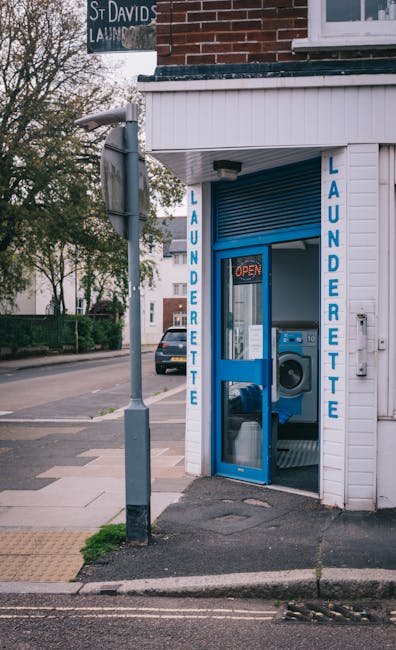
If you are trying to arrange a clean in Stoke Newington, access can be the awkward bit nobody warns you about. Narrow stairwells, basement flats, controlled entry, parking pressure, shared hallways, and neighbours who are out at work can all turn a simple job into a small logistical puzzle. Cleaning access problems in Stoke Newington what to know is really about planning well so the clean happens smoothly, safely, and without last-minute stress.
That matters whether you are booking carpet cleaning in a flat off Church Street, arranging upholstery work in a maisonette, or trying to sort out a stubborn stain before guests arrive. The right approach saves time, avoids damage, and makes the whole experience feel far less chaotic. Let's face it, nobody wants cleaners standing on the pavement while everyone hunts for a key code.
This guide breaks down the common access issues, how professionals usually handle them, what to check before the appointment, and the practical steps that make life easier. It also covers standards, common mistakes, and a realistic checklist you can use straight away.
Why Cleaning access problems in Stoke Newington what to know Matters
Access issues are not a side detail. They shape the whole visit. If a cleaner cannot get into the building, cannot park nearby, or has to carry equipment up several flights of stairs through a tight landing, the job becomes slower and more complicated. Sometimes much slower. In Stoke Newington, that is especially relevant because the area includes a mix of period conversions, mansion blocks, small terraces, and modern flats, each with its own quirks.
There is also a trust element. When a customer explains access clearly, the cleaner can plan the right crew size, bring the correct kit, and allow enough time. When information is missing, everyone guesses. Guessing is expensive, and to be fair it is rarely charming on either side.
For homes, good access planning protects doors, bannisters, walls, and flooring. For businesses, it helps avoid disruption to staff, customers, and deliveries. For landlords and tenants, it can prevent avoidable complaints around missed appointments or poor results. A simple thing, really, but it changes the experience more than people expect.
There is a practical neighbourhood angle too. Streets around Stoke Newington can be busy, parking can be tight, and blocks often have entry rules or concierge arrangements. If you know the constraints before the appointment, you can avoid the classic scenario where the van is circling, the call box is unanswered, and the actual clean starts forty minutes late. Not ideal.
Key takeaway: access planning is part of the service, not an admin extra. The better the access, the better the clean usually goes.
How Cleaning access problems in Stoke Newington what to know Works
At its simplest, the process is about matching the job to the building. A good cleaner will ask a few practical questions before arrival: where the property is, how entry works, what floor it is on, whether parking is available, and whether anyone will be home. That information affects scheduling, equipment selection, and how the team moves around the property.
Here is the usual flow:
- Pre-visit details are collected. This includes entry instructions, flat number, parking notes, any codes, and preferred contact method.
- The cleaner assesses the access route. That means stairs, lifts, narrow corridors, and any likely trip hazards.
- The job is matched to the environment. For example, lightweight portable equipment may be better for upper floors, while a ground-floor property with easy parking allows a different setup.
- Arrival is coordinated. If access depends on someone being present, the appointment time should work around that. Simple in theory. Less simple in real life, obviously.
- The clean is carried out with access in mind. Protectors, mats, or hose routes may be used carefully depending on the service and the property layout.
- Wrap-up and exit are checked. Keys are returned, doors are secured, and any follow-up drying or ventilation advice is explained.
For some services, such as carpet cleaning or upholstery work, access affects drying time and movement through the property. If a room is only reachable through a narrow passage, the cleaner may need to stage equipment differently to avoid wet patches where people walk. It is the sort of thing that sounds minor until someone leaves a footprint across a freshly cleaned hall. Then suddenly it is very not minor.
Some homes in Stoke Newington have split-level layouts or basement access via side steps. Those details matter because lifting heavy equipment safely is not just about convenience. It affects the risk of damage and the time needed to complete the job properly.
Key Benefits and Practical Advantages
Planning around access problems gives you more than a smoother appointment. It creates a better result and a calmer experience overall. Here are the main advantages people notice.
- Fewer delays: clean start times become more reliable when entry and parking are sorted in advance.
- Lower risk of damage: less carrying, less rushing, fewer awkward manoeuvres through tight spaces.
- Better quality work: the cleaner can focus on the job instead of solving building logistics on the fly.
- Less disruption for neighbours: particularly useful in shared blocks and stairwell-heavy buildings.
- More accurate quotes: access details help prevent awkward surprises about time or equipment needs.
- Safer working conditions: especially when heavy machinery, water, or chemical products are involved.
There is also a subtle benefit people often overlook: confidence. When access details are handled well, you feel that the job is under control. That sounds soft, but it matters. A clean scheduled for a Friday morning before a family visit or a weekend open house can feel like a lot less pressure when you know the basics are already sorted.
In commercial settings, good access planning can also help work around opening hours, security procedures, and staff movement. That is where specialist services such as commercial carpet cleaning can be especially useful, because timing and access often matter just as much as the finish itself.
Who This Is For and When It Makes Sense
This topic is relevant to more people than you might think. It is not only for large properties or difficult buildings. In Stoke Newington, access issues can show up in surprisingly ordinary places.
You may need this guidance if you are:
- living in a flat with a coded entry system or a communal door;
- managing a rental property with tenant handover timing to coordinate;
- preparing for end-of-tenancy or deep cleaning and need the job done in one visit;
- running a shop, office, clinic, or studio with set opening hours;
- booked in for carpet, sofa, mattress, rug, or curtain cleaning;
- trying to arrange a clean while you are at work or away from home;
- dealing with a property where parking and loading are tight.
It also makes sense if the property has sensitive surfaces or heavy furnishings. A bulky sofa on an upper floor, for example, is not impossible to clean, but it needs clear access planning. The same goes for delicate textiles like curtains or rugs where handling and movement have to be considered in advance. If you are looking at something like sofa cleaning or curtain cleaning, the access conversation matters right away.
And if you are thinking, "Surely they can just turn up and sort it," well, sometimes yes. But in the real world, the clean goes better when someone has thought about the doorway before the van has parked.
Step-by-Step Guidance
If you want to avoid most access-related headaches, a little structure goes a long way. Here is a practical approach that works well for homes and smaller commercial spaces.
- Describe the property clearly. Mention whether it is a house, flat, basement, converted building, or commercial unit. Include the floor level and whether stairs or a lift are involved.
- Explain how entry works. Give key collection details, lockbox codes, concierge instructions, intercom quirks, or the name of the person meeting the cleaner.
- Check parking and loading access. Note whether a van can stop nearby, whether a permit is needed, and how far equipment must be carried.
- Flag anything unusual. Narrow doors, fragile flooring, pets, alarm systems, building restrictions, or shared hallways should all be mentioned early.
- Confirm timing. Make sure someone is available if access depends on it. If the cleaner needs to work around school runs or work-from-home meetings, say so.
- Prepare the route. Move small obstacles out of the way, unlock internal doors if appropriate, and clear a path where possible.
- Stay reachable. Even if you are not on site, be available by phone in case the cleaner needs a quick answer.
- Review the end of the visit. Check that doors are secure, keys are returned, and the property is left as agreed.
A practical example: imagine a flat off Church Street with a shared entrance, a narrow stairwell, and no nearby parking at noon. If you tell the cleaner only the postcode, the appointment can become messy. If you explain the stairs, entry code, and parking constraints beforehand, the cleaner can arrive with the right plan. That is the difference between a rushed job and one that feels calm and tidy from the first knock.
If the clean is urgent, such as after a spill or accidental leak, you may need a service that can respond quickly and adapt to access limitations. In that kind of situation, a focused guide like emergency flood cleaning in Stoke Newington can help you think through the first priorities.
Expert Tips for Better Results
Most access problems are not dramatic. They are just details that were not shared early enough. The good news is that a few habits make a big difference.
- Send photos if needed. A picture of the stairwell, entrance, or parking bay often explains more than a paragraph.
- Be precise about the entrance. "Side gate at the back" is better than "there's another way in somewhere."
- Ask about equipment size. Some jobs are better suited to compact machines, especially in upstairs flats.
- Book with the property in mind, not just the stain. A stubborn mark on a rug in a first-floor room is different from a ground-floor living room.
- Allow a bit of buffer time. The city does its thing, traffic happens, keys go missing, and sometimes lifts decide to sulk.
- Check building rules early. Many blocks have sensible but specific rules about contractor access, noise, and waste removal.
A small but useful tip: if the property has a very tight entry route, make sure loose items are moved away from doorways and landings before the cleaner arrives. It sounds obvious. Yet every cleaner has a story about stepping over a shoe rack, a child's scooter, and a suspiciously placed umbrella stand all at once.
Another good habit is to ask how long the service normally takes once access is straightforward. That gives you a realistic baseline. If your property has extra hurdles, you can then judge what changes, rather than starting from a guess.
For recurring maintenance, a simple cleaning routine often helps reduce the pressure on individual visits. If you like the idea of fewer surprises and easier planning, this article on building a cleaning routine you can maintain is a useful companion piece.
Common Mistakes to Avoid
Access problems are often self-made, if we are honest. Not deliberately, of course. Just through rushed planning or assumptions that turn out to be optimistic.
- Leaving access details until the day of the clean. This is the biggest one. By then, options are limited.
- Forgetting parking restrictions. The cleaner may be forced to carry kit much farther than expected.
- Assuming someone else has given the instructions. Buildings are full of passed-on information that never reached the right person.
- Ignoring shared-space rules. In flats, neighbours and management sometimes have legitimate concerns about timing and hallway use.
- Not mentioning pets. Friendly pets are lovely; loose pets during an active clean, less so.
- Expecting all services to work the same way. Carpet cleaning, upholstery cleaning, and stain removal each have different access and setup needs.
One subtle mistake is overpromising access just to get a booking confirmed. It is tempting. But if you say the van can park outside when it cannot, or that someone will be there when they will not, you only create friction later. Better to be a bit cautious and accurate than confident and wrong.
Also, do not assume that a ground-floor property is automatically simple. Long internal corridors, awkward security doors, or protected flooring can still slow things down. The building tells the story, not just the floor number.
Tools, Resources and Recommendations
You do not need fancy tools to manage access well, but a few practical items and habits make everything smoother. Truth be told, most of the "toolkit" is just good communication.
| Tool or resource | Why it helps | Best used for |
|---|---|---|
| Phone photos of entrance and stairwell | Gives the cleaner a realistic view of the route and space | Flats, basement access, shared buildings |
| Written entry instructions | Reduces missed calls, wrong doors, and confusion on arrival | Code entry, concierge access, lockboxes |
| Parking notes | Helps plan arrival time and unloading | Busy roads, permit zones, loading restrictions |
| Room-by-room prep list | Keeps the route clear and saves time on the day | Homes with lots of furniture or valuables |
| Service details page or quote form | Lets you explain the job before booking | Any clean where access is not straightforward |
If you want to compare services before booking, a transparent pricing page helps a lot. It is worth checking pricing and quotes so you can understand what information the company needs and how access may affect the estimate. For safety and peace of mind, it can also be useful to review insurance and safety before anyone enters the property.
For home cleaning projects that involve water, steam, or delicate materials, product knowledge matters too. A service with experience in steam carpet cleaning or upholstery cleaning is likely to ask the right access questions early, which saves everyone trouble later.
One more recommendation: keep a simple note on your phone with your building access details. You will use it again, probably sooner than you think. Annoying, yes. Useful, absolutely.
Law, Compliance, Standards, or Best Practice
Access planning is not just good manners. It also links to safety, responsibility, and sensible working practice. While this article does not replace legal advice, there are a few UK norms worth keeping in mind.
For domestic and commercial cleaning, professionals should work in a way that reduces avoidable risk to people, property, and equipment. That generally means clear communication, safe movement of equipment, careful use of products, and sensible handling of keys, alarms, and entry codes. If a building has specific rules, those should be respected.
From a customer's point of view, best practice usually includes:
- giving accurate access instructions;
- notifying the cleaner of hazards or fragile areas;
- checking whether the building requires visitor sign-in or contractor ID;
- making sure children and pets are managed during the visit;
- confirming who is responsible for parking permissions where relevant.
Cleaner-side best practice usually includes arriving prepared, protecting floors where needed, using equipment safely in stairs or confined spaces, and keeping the customer informed if access changes on arrival. That is the sort of basic professionalism that people remember, even if they do not say it out loud.
If you want to read a company's broader approach, pages such as health and safety policy, terms and conditions, and complaints procedure can be helpful. They do not solve the access issue by themselves, of course, but they do show how a provider thinks about responsibility and process.
For properties where sustainability matters, it may also be useful to ask how waste, water use, and product choices are handled. In some jobs, especially larger or repeated ones, recycling and sustainability can be part of the decision-making process too.
Options, Methods, or Comparison Table
Not every access problem needs the same solution. A quick comparison helps you decide what approach is most realistic for your property.
| Access situation | Practical approach | What to watch for |
|---|---|---|
| Ground-floor home with parking nearby | Simple booking, standard equipment, minimal setup time | Still mention pets, valuables, or narrow internal doors |
| Top-floor flat with stairs only | Use compact kit, allow extra setup time, confirm carrying route | Stair width, landings, and resting space for equipment |
| Shared entrance or coded door | Provide clear entry instructions and a backup contact method | Codes changing, intercom faults, neighbours unavailable |
| Permit-controlled street parking | Check loading options and be precise about time windows | Fines, towing risk, or delays carrying gear |
| Commercial premises with reception or security desk | Coordinate with site staff and agree arrival procedure | Sign-in requirements and restricted working areas |
For many homes, the best option is simply the one that has been prepared properly. There is no glamour in it. But a clean that starts on time, with the right access route and the right expectations, is almost always the one that ends well.
If your property has mixed surfaces or multiple items that need attention, service pairing can also help. For example, a visit that includes carpet cleaning and rug cleaning may require different handling in the same appointment, especially if items need to be moved or carried through tight spaces.
Case Study or Real-World Example
Here is a realistic scenario from a typical Stoke Newington flat, nothing dramatic, just the sort of thing people run into all the time.
A customer booked a living room and hallway clean in a first-floor flat near Stoke Newington Road. The property had a shared front door, a narrow staircase, and no legal parking directly outside at the requested time. The customer had assumed the cleaner would "probably figure it out." Fair enough, that assumption is common. The problem was that the building's intercom had a short delay, the stairwell was tight, and the customer had stepped out for a quick errand.
What changed the outcome was a quick call before the appointment. The cleaner got the entry code, a better description of the stairwell, and confirmation that the customer could meet at the door. The team brought compact equipment, allowed a little extra time for carrying and setup, and protected the hallway with care. The job still took more planning than a ground-floor house would have needed, but it ran smoothly. No drama, no rushed start, no "sorry, where are you?" looping on repeat.
That sort of adjustment is small on paper and huge in practice. It is the difference between a clean that feels effortless and one that feels slightly like moving house.
If the issue involves stubborn marks rather than general dirt, access planning still matters because the cleaner may need targeted treatment products or extra time for a specific surface. A helpful related read is stain removal, especially if you are trying to work out whether the issue can be handled on site or needs more careful treatment.
Practical Checklist
Use this checklist before your appointment. It is straightforward, but it saves a lot of faff.
- Confirm the full property address and floor level.
- Share the exact entry method: key, code, lockbox, concierge, or meet-and-greet.
- Explain parking or loading restrictions clearly.
- Say whether stairs, lifts, or narrow corridors are involved.
- Flag fragile flooring, delicate fittings, or recently painted areas.
- Mention pets, children, alarms, or security systems.
- Tell the cleaner if anyone else will be present.
- Move obvious obstacles out of the access route.
- Keep your phone available on the day.
- Check the end-of-visit plan for keys, security, and drying time.
Quick self-check: if a stranger arrived at your building using only the information you have shared, would they be able to find the entrance, park safely, and get in without guessing? If not, you probably need one more detail.
That tiny question catches a lot of missed instructions. Simple, but strangely effective.
Conclusion
Cleaning access problems in Stoke Newington what to know comes down to one clear idea: good cleaning depends on good planning. The property layout, parking situation, entry method, and timing all shape the result. If you handle those details early, the clean is more likely to be smooth, safe, and worth the money.
For homes and businesses alike, the best approach is practical and honest. Tell the cleaner what the building is really like. Ask sensible questions. Check the route. Keep the instructions simple but complete. Small things, yes, but they add up.
If you are comparing providers, look for clear communication, safety awareness, and transparent pricing. That usually tells you more than a shiny sales pitch ever will. And if you have a tricky building, do not worry too much. It is all manageable with the right prep.
Get a free quote today and see how much you can save.
When the access side is sorted, the rest tends to fall into place. And honestly, that is a relief worth having.
Frequently Asked Questions
What counts as a cleaning access problem in Stoke Newington?
Any issue that makes it harder to reach, enter, or work in the property counts as an access problem. That might be stairs, coded entry, parking limits, shared hallways, or not being able to meet the cleaner on arrival.
Do I need to mention access details when I book?
Yes, absolutely. The more accurate the details, the better the cleaner can plan equipment, timing, and staffing. It helps avoid delays and awkward surprises on the day.
How much does difficult access usually change the job?
It depends on the property. A few stairs may make little difference, while multiple flights, parking restrictions, or long carries can affect time and setup. The exact impact is usually job-specific rather than fixed.
Can cleaners work in flats without lifts?
Yes, many can, provided the access is safe and practical. The key is to let them know in advance so they can bring suitable equipment and allow extra time if needed.
What if my building has a buzzer or concierge system?
Give clear instructions about how entry works, including any names, codes, or sign-in steps. If the system is temperamental, mention that too. It sounds minor, but it saves a lot of back-and-forth.
Should I arrange parking before the appointment?
Where possible, yes. At the very least, you should explain the parking situation so the cleaner knows whether loading is straightforward or likely to take extra time.
Is it better to send photos of the access route?
Often, yes. A photo of the entrance, stairwell, or parking area can be more helpful than a long explanation. It is especially useful for tight staircases or unusual entrances.
What if I am not at home during the clean?
That can still work well if access is organised clearly. Make sure entry instructions, contact details, and return arrangements for keys are agreed in advance.
Are access issues a problem for carpet cleaning specifically?
They can be, especially if equipment has to be carried up stairs or through narrow spaces. Services such as carpet cleaning usually work best when the route is clear and the setup can be planned in advance.
Can access problems affect the final result?
Yes. If the cleaner has to rush, improvise, or work around avoidable barriers, the result can suffer. Good access planning gives the cleaner more time and a better working environment, which usually leads to a stronger finish.
What should I ask a cleaner before booking?
Ask what access details they need, whether they have experience with your type of property, and whether there are any equipment or timing considerations for stairs, parking, or entry systems.
What is the simplest way to avoid access problems altogether?
Be specific early. Share the property layout, entry method, parking notes, and any unusual restrictions before the appointment is confirmed. In many cases, that one habit prevents most issues before they even start.